Meat
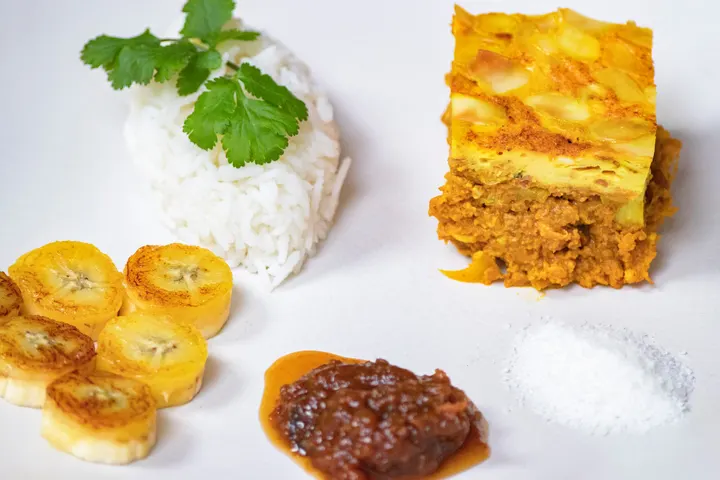
Bobotie
Spiced beef mince with chutney, raisins and soaked bread, baked under a golden egg custard. If South Africa has a national dish, this is it.
Line of origin · from 1658
Cape Malay cooking is the cooking of the descendants of people brought to the Cape in bondage from 1658 onwards — from the Indonesian archipelago, the Indian coast, Ceylon, Madagascar and East Africa — and it brought the spices by which South African food is recognised.
Signature: long dashes
Bobotie, sosaties and koesisters appear on every recipe site. Where they come from rarely does.
Brought to the fire
Spices, the sweet-sour handling of meat, marinades, the skewer.
What came with it
The Dutch East India Company set up a victualling station at the Cape in 1652. From 1658 the first enslaved people were brought there — from Java, Sulawesi, Bengal, the Malabar Coast, Ceylon, Madagascar and eastern Africa. They were taken by force, not recruited; that is where this line begins, and it belongs in the telling.
What grew out of it is not a copy of a Southeast Asian cuisine but something of its own: the spices from there, the techniques of the Dutch households the people were made to work in, and whatever was available at the Cape. Bobotie is the clearest case — a European mince bake with a seasoning that comes from no European kitchen.
After emancipation in 1834 many freed people moved into the Bo-Kaap. In 1957 the apartheid government declared the neighbourhood a Malay group area and forced everyone else out. Eat in the Bo-Kaap today and you are eating in a place whose population was fixed by law twice over. That is part of why food carries so much weight there.
A word on the name. Cape Malay is historically inexact — the roots lie in Indonesia rather than Malaysia, in Aceh on Sumatra, in Sulawesi and Java. Under apartheid the term was used to classify people officially, and nobody classified that way chose it. The South African cook and historian Cass Abrahams placed the cuisine as food from Africa in 1995 and was the first to name its creolised nature in public — including the Khoekhoe influences that had been written out of the record. The name still stands here, because it is what people search for; what it hides stands next to it.
Who is writing here
This site is written in Cape Town, but not from the Bo-Kaap and not from inside this community. What stands here comes from the sources linked below and from what you see while shopping and eating — not from lived heritage. Where one source tells it differently from another, that is said.
Meat
Spiced beef mince with chutney, raisins and soaked bread, baked under a golden egg custard. If South Africa has a national dish, this is it.
Meat
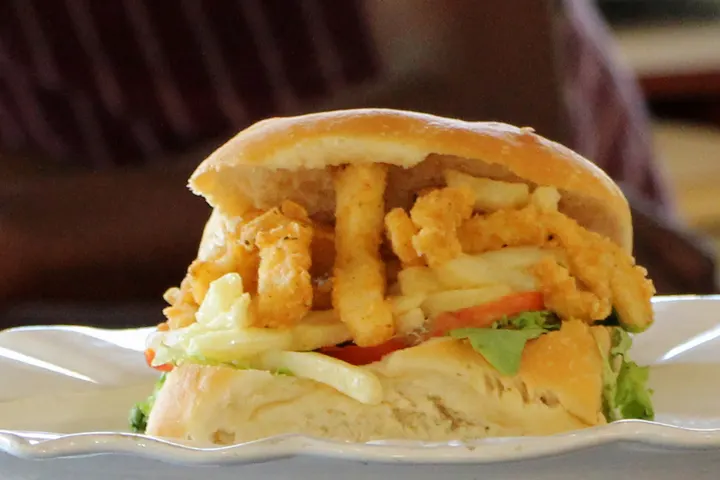
A whole baguette packed with vinegar-soaked chips, meat and hot sauce, cut into six. Not a sandwich for one — a meal for half the street.
Fish
Smoorsnoek
Done beforehand
Fish
Smoked snoek flaked and braised with onion, tomato and potato, then folded through rice. A leftovers dish that beats the original.
Meat · Stertpotjie
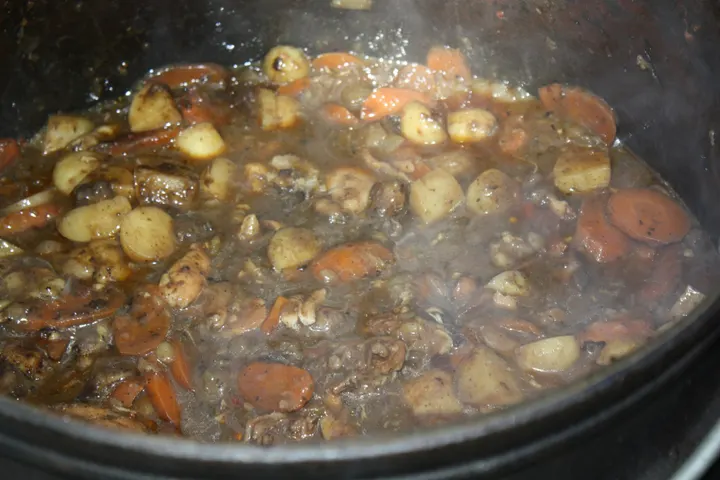
Oxtail with red wine, cumin and curry, four hours in a three-legged pot. Four hours, three and a half of which ask nothing of you.
Meat
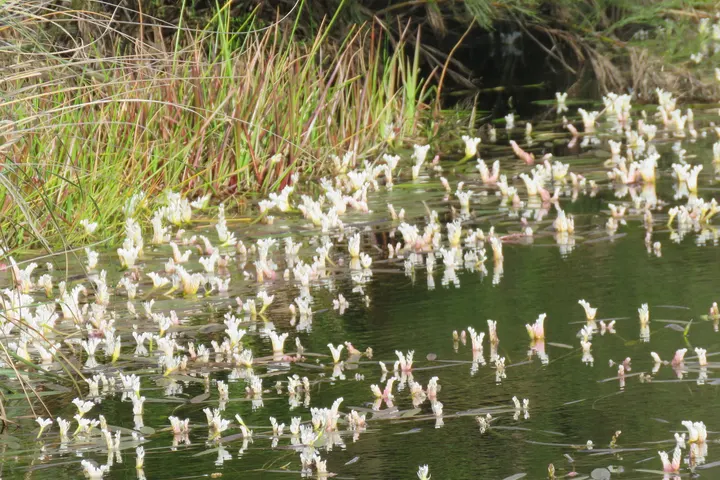
Lamb shoulder slow-cooked with the flower spikes of Cape pondweed, white wine and plenty of lemon. The one dish that exists only in the Western Cape, and only in winter.
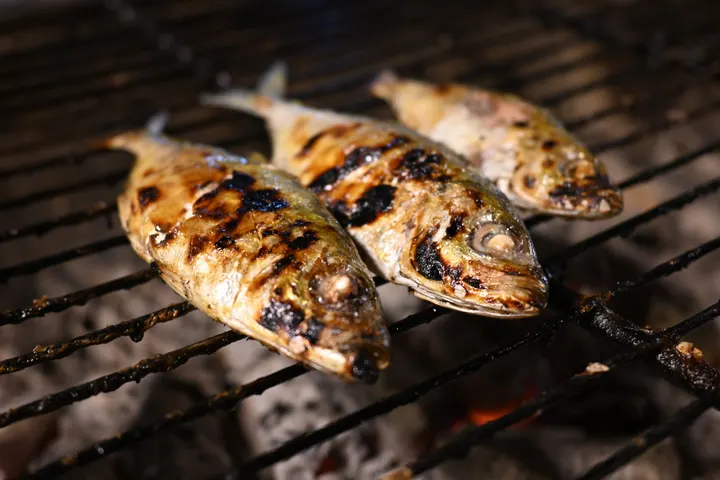
Fish · Snoek
Butterflied snoek in a hinged grid, basted with a glaze of apricot jam, garlic and butter. On the West Coast this is not a recipe idea, it is an institution.
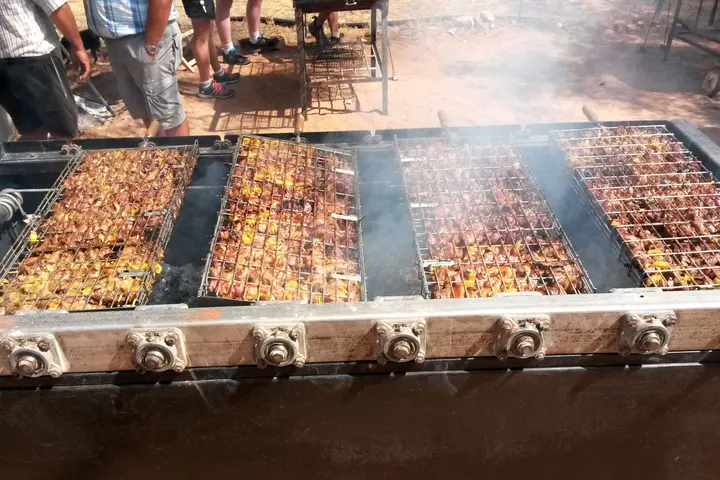
Meat · Sosaties
Lamb skewers in a curried apricot marinade, left overnight. The Cape Malay inheritance at the fire — sweet, sour and spiced at once.
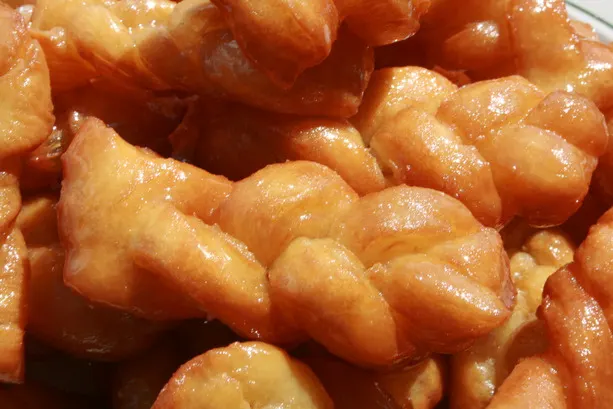
Sweet
Plaited strips of dough, deep-fried and plunged straight into ice-cold spiced syrup. Crisp outside, dripping inside — the temperature difference is the whole recipe.
Linked, not embedded — opening this page contacts no outside server. The time marks jump straight to the moment.
28:17
English
Travel Trails Tastes
Cooks bobotie over fire rather than in an oven and takes time over the origin. Both are unusual.
Last checked 2026-09-05
9:49
English
Articook
Eleven of its own chapter marks in ten minutes — you jump straight to the step you are stuck on.
Last checked 2026-09-05
20:05
English
Travel Trails Tastes
Not a braai recipe, but the best video way in to the Cape Malay line that we found.
Last checked 2026-09-05
25:17
English
Salwaa Smith | Cape Malay Cooking & Other Delights
From a cook who comes out of this kitchen. For the difference between koeksister and koesister it is the best source on video.
Differs from us
Our recipe is the Afrikaans koeksister: plaited, unspiced, in cold syrup. The video shows the other one — and makes clear that two different things share almost one name.
Last checked 2026-09-05