Skip to content
Cape Braai

Fires outdoors

When you may light up

At the Western Cape a fire outdoors is not a right but a permission with conditions. The main ones are here — with the reference next to them and the date we checked.

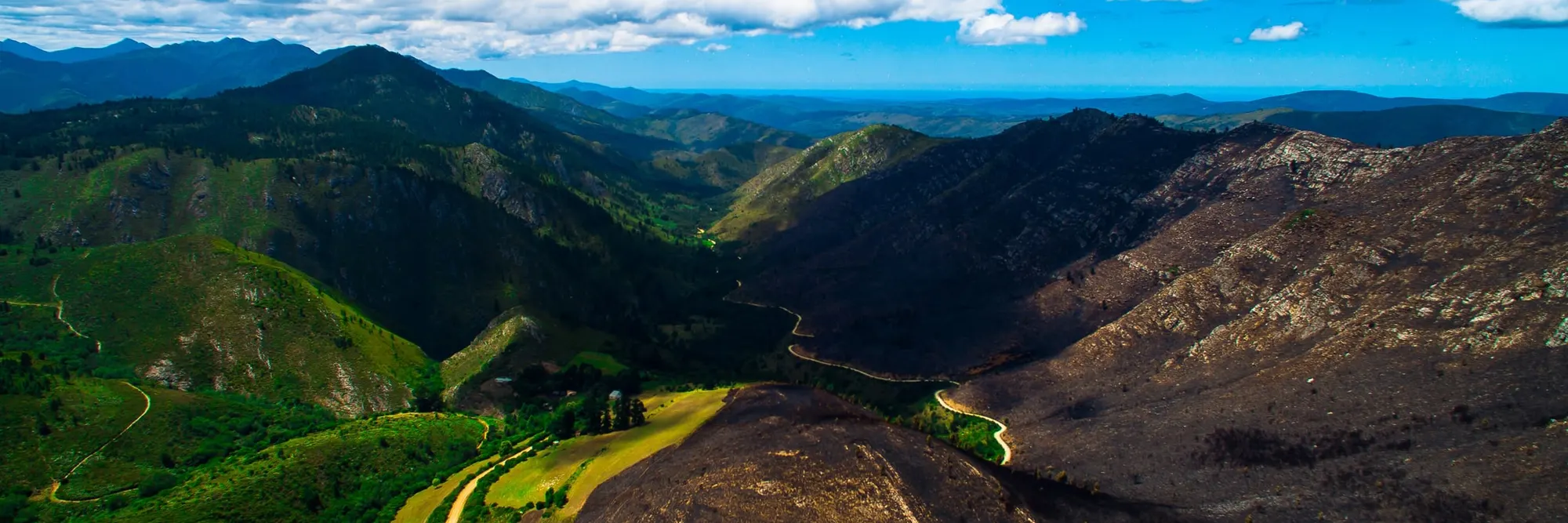
After a veld fire in the Cape Fold Belt: green slopes on the left, burnt black on the right — the dirt road between them stopped the fire
Ryanj93 · CC BY-SA 4.0

This page is not legal advice and it is not complete. It reports what the city, the national park and the conservation authority publish, links it, and gives the date. In case of doubt, what is written at the gate applies.

The six questions

Where may I make a fire at all?

The city’s basic rule is strict: lighting fires and disposing of combustible material by burning is prohibited, save in the cases the section itself sets out. What it expressly allows is lighting a fire or using a flame-emitting device for preparing food or for any other domestic purpose — in a manner that will not cause a fire hazard. That is the legal basis for a braai in the garden.

In public parks the signage decides: the parks by-law has its own symbols for no fires, no portable barbecue appliances, and fire in fireplaces. What stands at the entrance applies.

In national parks and nature reserves there is more: only the built facilities. Freestanding braais are not permitted at the designated picnic sites of Table Mountain National Park.

Is there a period when fires are banned outright?

Yes, but it has no fixed date. The traditional planning window for the Western Cape fire season was December to March; the province now plans around eight months, October to May.

What decides it is not the month but the day’s Fire Danger Index. It is published as a percentage: the red band from 76 to 100 counts as extremely dangerous, the blue band from 0 to 20 as safe. On days with a high rating recreational fires are prohibited — calendar or not.

Locally it can be stricter still. At Silvermine, braaing around the dam is not allowed at all during the high fire risk season — summer and early autumn — and only opens again once the index drops for good.

What about wind?

Wind is the most common reason a fire is called off at the Cape. The national park puts it plainly itself: braaing should be undertaken with care and is often banned due to high winds.

The practical rule that follows is simple and broken constantly: in a strong south-easter, do not light up at all. Not because the fire will not burn — because sparks travel further over fynbos than you think.

What do I have to bring?

Enough water to drown the coals, not just damp them. A spade to turn the ash over. And time: a fire is out when the ash is cold and you can touch it — not when there is no flame left to see.

Water does not go into burning fat. Put out a flare-up with water and you throw ash into the air and scatter coals. For flare-ups there is only one answer: move the meat aside and wait.

Sources

Checked on 2026-09-05

I have rented a holiday house — what is usually in the house rules?

Usually three things: fires only in the built braai, no fires in wind, and the ash stays in the braai until the next day rather than going into the bin. The third is the one most often ignored — ash can stay hot for hours.

What is in no house rules: wood is not part of the furnishings. Even where there is a braai in the garden, the wood is on you.