Skip to content
Cape Braai

Twelve months by ingredient

What is in season now

A braai follows what is there — and at the Western Cape that is something entirely different in July from January. 10 rows, each one sourced, with the contradiction left in wherever the sources disagree.

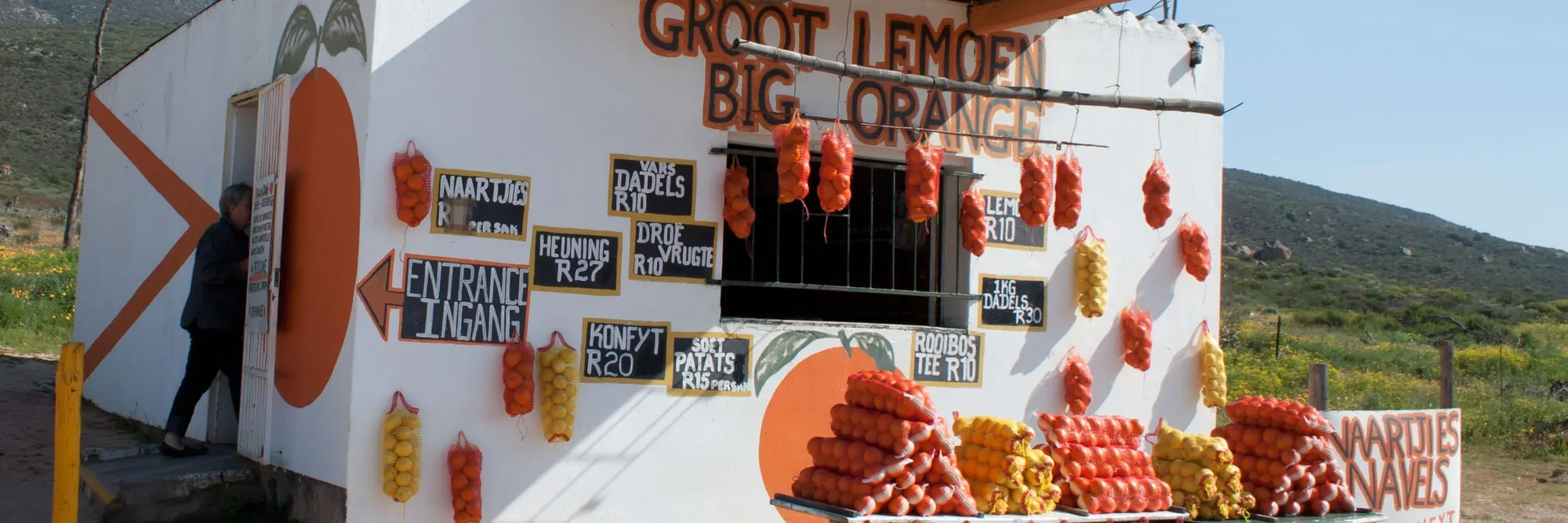
A roadside stall on the N7 near Citrusdal: nets of oranges, lemons and onions on the hut and the tables in front
Azwi · CC BY-SA 3.0

In September

Nothing on this list is at its peak this month. That is not a gap — it is the stretch between two seasons.

The Fire Danger Index still applies — even outside the high risk season there are days when nothing burns. To the fire rules

Key

Peak season available out of season Current month: September

The same data as a table

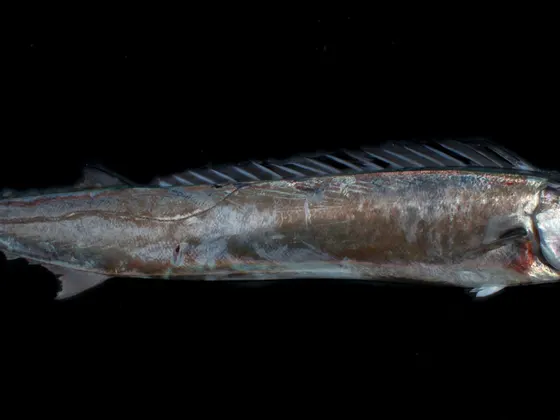
A whole snoek, the slender Cape food fish, against a black background
Brian Gratwicke · CC BY 2.0

Snoek

Out of the water

The predator of the cold Benguela current, which at the Cape traditionally runs in winter.

Months
April, May, June, July, August
Note
It is caught all year, but the run is roughly April to July. The old fishermen’s rule names the months without an r — May, June, July, August. Catches swing widely from year to year; if you want fresh snoek, ask at the harbour rather than the calendar.
Sources
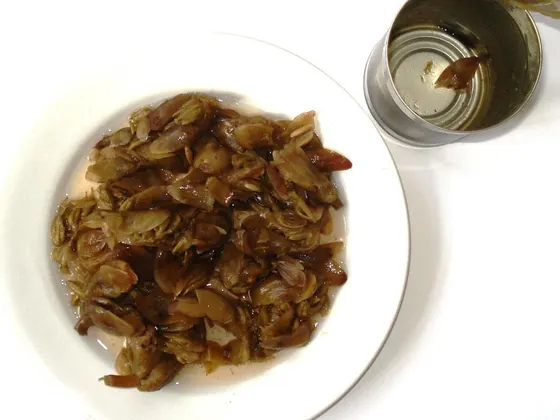
Tinned waterblommetjies in a bowl, the opened tin beside it
Genet · CC BY-SA 3.0

Waterblommetjies

Out of the field

The flower spikes of Cape pondweed, a plant of the dams and vleis of the winter-rainfall areas.

Months
June, July, August, September
Note
The buds are ready in midwinter — July and August. From June to September the plants stand in the shallow water; in summer the pools dry out and the tubers rest. Outside the winter-rainfall areas you will not find them fresh.
Sources
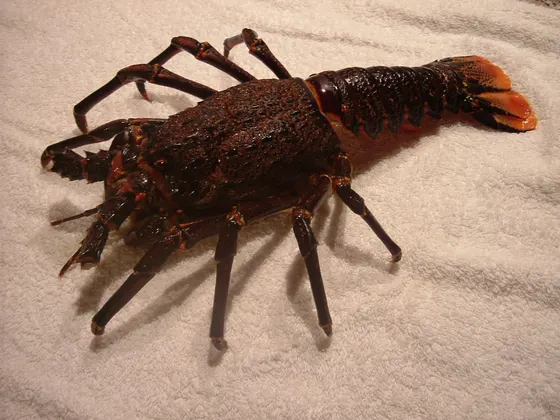
A whole West Coast rock lobster with its spiny shell and long antennae
H3LLF1R3 at English Wikipedia · Public domain

West Coast rock lobster

Out of the water

The West Coast crayfish — the only row in this calendar whose dates are set by regulation.

Months
January, March, December
Note
For the 2025/26 season the department released individual days: 20, 21, 27 and 28 December 2025, 3, 4, 24, 25 and 31 January and 1 February 2026, plus 21 and 22 March 2026. Permit from the Post Office or online beforehand, four per person per day. The dates are announced afresh each year — check before you drive out.
Sources
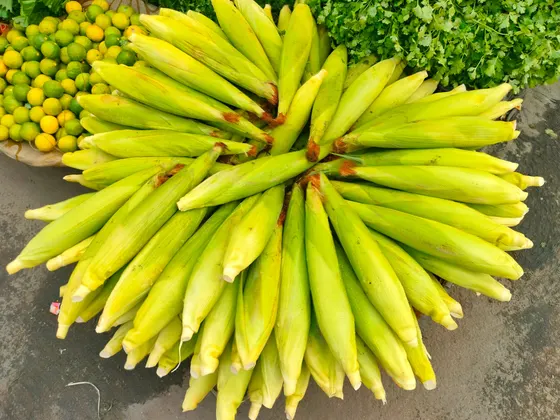
Fresh maize cobs in their green husks, stacked in a circle
পাপৰি বৰা · CC BY-SA 4.0

Mielies

Out of the field

Sweetcorn on the cob — the side that goes straight into the coals.

Months
January, February, March, November, December
Note
Sown from August to March, harvested ten to twelve weeks later. In practice that means the cobs are piled up from November to March, and sweetest in high summer. Out of season they come frozen, and those do fine in the coals too.
Sources
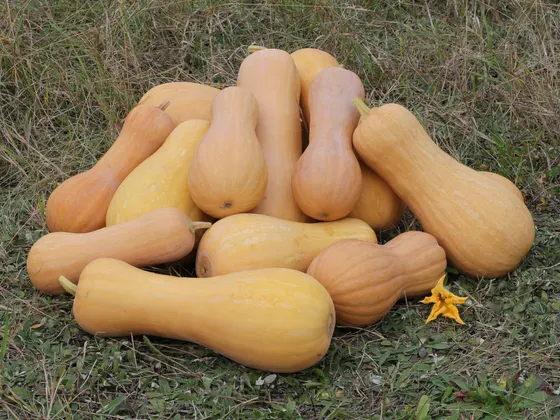
A heap of whole butternut squashes lying on grass
George Chernilevsky · Public domain

Butternut

Out of the field

The squash that counts as an everyday vegetable in South Africa and caramelises in the coals.

Months
January, February, March, April, May, June, December
Note
Planted August to December, twelve to fifteen weeks to harvest — so staggered from December through April. Whole fruit then keeps for months somewhere cool and dry, which is why you can buy it half the year.
Sources
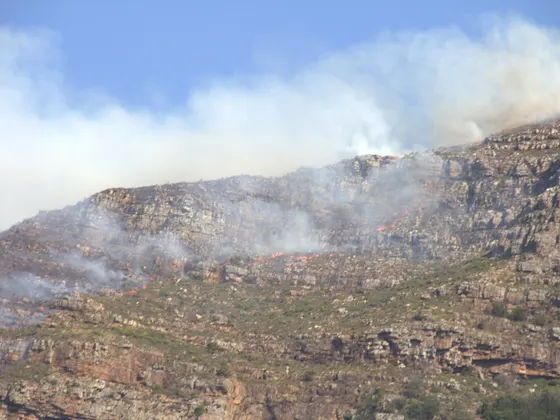
Smoke drifting across a rocky Table Mountain slope where fynbos is burning
axxter99 · CC BY-SA 4.0

Fire season

And the rule

The stretch when open fires outdoors are restricted or banned — the row that bounds this calendar from the other side.

Months
January, February, March, April, May, October, November, December
Note
The traditional planning window was December to March. The province now plans around eight months, October to May. What decides it is not the month, though, but the day’s Fire Danger Index: at a high rating recreational fires are prohibited, calendar or not.
Sources

A correction that belongs here

The plan for this page assumed snoek runs roughly September to January. That does not survive checking: at the Cape snoek is traditionally a winter fish, the sources put the run at about April to July, and the old fishermen’s rule counts the months without an r. The row stands as the sources give it, not as the plan had it.