Meat
Waterblommetjiebredie
Lamb shoulder slow-cooked with the flower spikes of Cape pondweed, white wine and plenty of lemon. The one dish that exists only in the Western Cape, and only in winter.
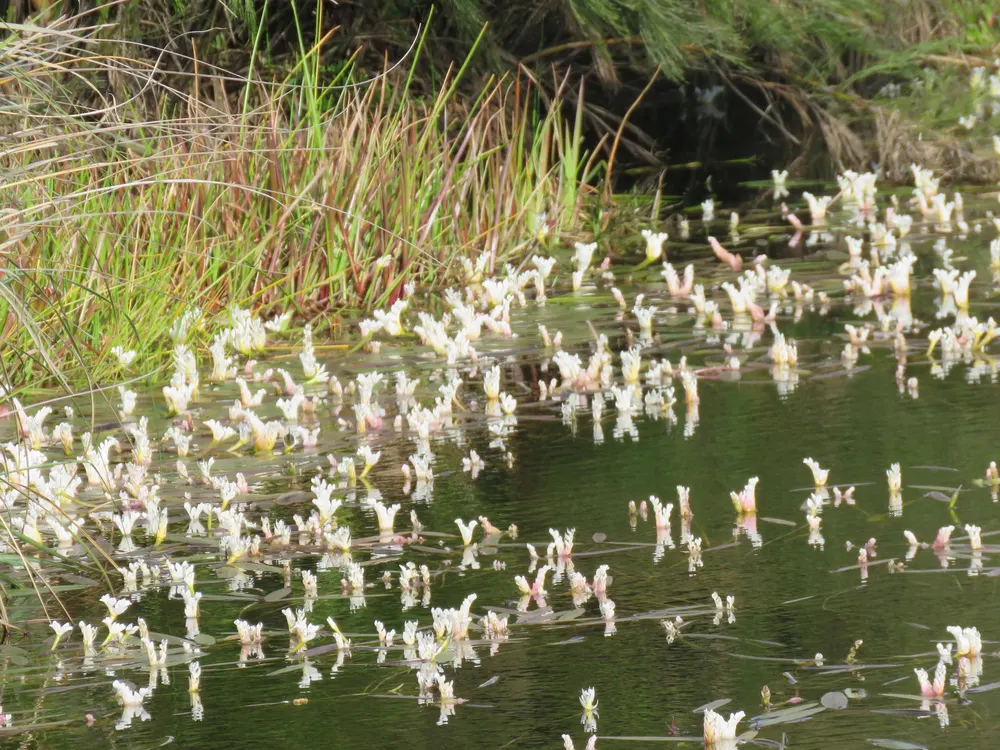
Waterblommetjies are the flower spikes of Aponogeton distachyos, a water plant from the dams and vleis of the Cape's winter-rainfall areas. It is native only there — elsewhere, in Australia and New Zealand among others, it has escaped and is treated in places as invasive. The season is short, in winter and early spring. The taste sits between green beans and artichoke hearts, with a citrus note. A bredie is a stew in which meat and vegetables cook together long enough that each starts to taste of the other.
- Prep
- 35 min
- On the fire
- 2 hr 30 min
- Serves
- 8
- Effort
- medium
When it goes on
First on the fire
Goes on first, while the coals are at their hottest — steaks, thick chops, and anything that sits in a pot for hours.
Equipment: Potjie
This line
The three-legged pot, sausage as a way of keeping meat, bread without an oven.
Fresh at the Western Cape June · July · August · September
Method
-
Soak the water flowers
Put the waterblommetjies in cold salted water for an hour. They come out of still water and bring sand with them. Rinse well afterwards and trim any tough stems.
-
Brown the meat
Get the oil hot in a potjie or heavy pot and brown the lamb in batches until coloured all over. Do not crowd the pot or the meat steams instead of browning.
-
Onion and garlic
Add the onion and garlic and sweat until translucent, scraping the browned bits off the bottom.
-
Deglaze
Pour in the wine, stock and lemon juice. Bring to the boil, then turn the heat right down.
-
Two hours of slow cooking
Cover and cook very gently until the meat falls apart under a fork. Over coals that means little charcoal under the pot — feed the fire rather than opening a valve.
-
Vegetables and flowers in
Add the carrots, leeks, potatoes and finally the waterblommetjies. Give it another thirty minutes uncovered. No longer — the flowers collapse and lose exactly the bite you wanted them for.
-
Season and rest
Season with sea salt and pepper and let it stand off the fire for ten minutes. Serve with rice, pap or roosterkoek.
Tips
- A bredie is not stirred but swirled. Stirring breaks up the potatoes and the flowers.
- Waterblommetjies are in the shops in Cape Town from June to September, frozen the rest of the year. If you find them, freeze a bag.
- It is better on the second day. Only the flowers suffer — if you are planning ahead, add them when you reheat.
- Chenin Blanc is the obvious choice because it grows everywhere at the Cape. Any dry, unoaked white will do.
Some dishes cannot be exported, and this is one of them. Waterblommetjies grow in the dams and marshes of the Western Cape, they have a season of a few months, and outside South Africa you will effectively not find them.
That is exactly why the recipe is here. If you are in Cape Town in winter, they are on every market and in every larger supermarket — which gives you the chance to cook something that simply does not work anywhere else.
Over coals rather than on the stove. A bredie is a pot dish by nature, and it works in a three-legged pot over low coals exactly as it does on a hob. The difference is that two and a half hours at a fire feel different from two and a half hours in a kitchen.
Where it comes from
- Where the word comes from
- Afrikaans · Literally „water flower stew“ A *bredie* is a slow stew named after the vegetable in it.
You cannot cook this dish outside the winter-rainfall areas of the Cape, and that is botany rather than fussiness. Aponogeton distachyos, Cape pondweed, grows in shallow water that dries out in summer; the tubers then rest and sprout again when the pools fill in autumn. The buds are ready in midwinter — July and August.
Bredie names the construction, not the ingredient: a stew that braises long and slow and is named after the vegetable in it. Tamatiebredie with tomatoes, waterblommetjiebredie with pondweed. The word itself is attributed to Cape Malay cooking, and is one of the terms in which the mixing of Cape kitchens can be read.
What the flowers bring is not sweetness or aroma in the usual sense but acidity and bite — something between a green bean and an artichoke. That is why the recipe calls for lemon or vinegar: it is the direction the vegetable is already going.
Cooking outside South Africa, you will find the buds pickled in jars. It is not the same, but it is more honest than green beans.
Goes with this
Side · Pap
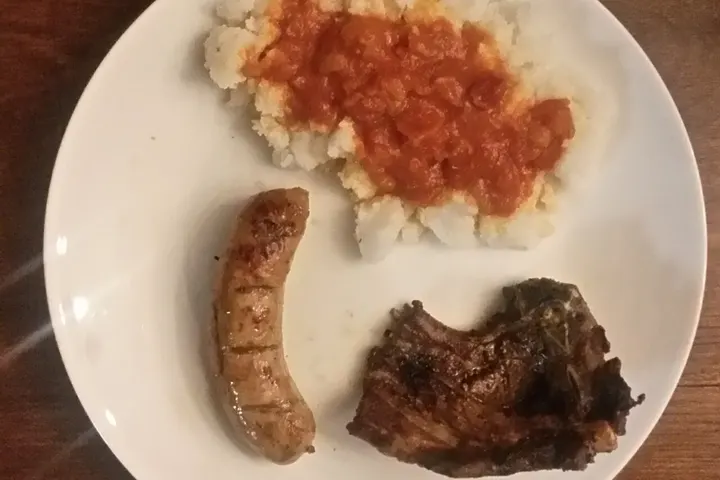
Pap — stywe pap and krummelpap
Side · Biltongslaai
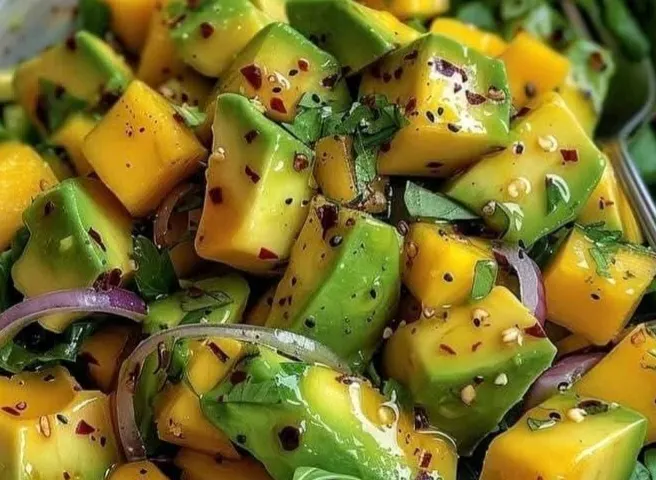
Biltong salad
Meat