Sauce · In Afrikaans: Monkey Gland Sauce
Monkey gland sauce
A dark, sweet-and-sour steak sauce of chutney, tomato sauce, Worcestershire and onion. On South African menus since the 1930s — and, to get it out of the way, containing no monkey glands whatsoever.
The name most likely nods to the surgeon Serge Voronoff, who became famous in the 1920s for grafting monkey gland tissue. The commoner explanation for the sauce itself is more mundane: French chefs at the old Carlton Hotel in Johannesburg are said to have mixed together, in despair, everything their guests were pouring over their steaks anyway.
- Prep
- 10 min
- On the fire
- 20 min
- Serves
- 10
- Effort
- easy
Sauce
Monkey Gland Sauce
Done beforehand
When it goes on
Done beforehand
Made in the kitchen. On the table before you light up.
Equipment: nothing
Method
-
Soften the onions
Heat the oil in a small pot and soften the onions over medium heat for about five minutes. They should go soft without colouring — browned onions turn the sauce bitter.
-
Add the garlic
Add the garlic and cook for a minute or two until fragrant.
-
Stir everything together
Add tomato sauce, chutney, brown sauce, Worcestershire, vinegar, sugar, water, cayenne and salt and mix thoroughly.
-
Reduce
Simmer uncovered over low heat for 15 to 20 minutes, stirring occasionally. The sauce darkens and thickens noticeably — it should cling to a spoon.
-
Taste and bottle
Take it off the heat, taste, and pour hot into a clean jar. Makes about 750 ml.
Tips
- For a smooth sauce, blitz it briefly at the end. Left chunky with the onion it tastes homemade, which is the entire point.
- Worcestershire sauce contains anchovies. For a vegetarian version replace it with soy sauce and a splash of vinegar — flatter, but it works.
- It keeps a good two weeks in the fridge. For basting at the fire, brush it on only in the last five minutes or the sugar burns.
- As a marinade for chicken wings, an hour or two ahead — the sugar caramelises into a dark lacquer.
Monkey gland sauce is the only steak sauce whose name has to be explained every time. First things first: no glands, no monkey. The name dates from the 1930s and alludes to the surgeon Serge Voronoff, who had made headlines in the 1920s for rejuvenation treatments using monkey gland tissue and was a regular at the Savoy in London, where he had a favourite dish.
The other account is more believable and less flattering: at the old Carlton Hotel in Johannesburg, French chefs watched guests pour tomato sauce, chutney and Worcestershire over good meat. Eventually they mixed the stuff themselves and gave it a name.
What came out is a sauce that does exactly what it should: sweet enough for children, sharp enough for fat, and dark enough that the steak underneath still tastes of steak. It is on every South African steakhouse menu — and homemade it beats anything off a shelf.
Goes with this
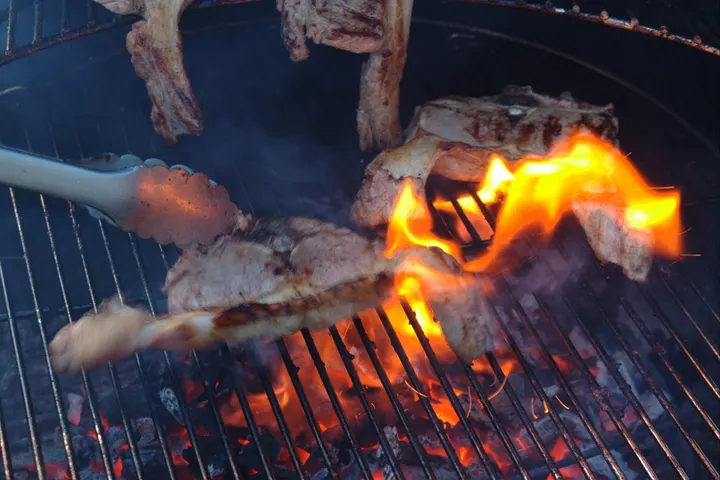
Meat · Karoo-tjops
Karoo lamb chops
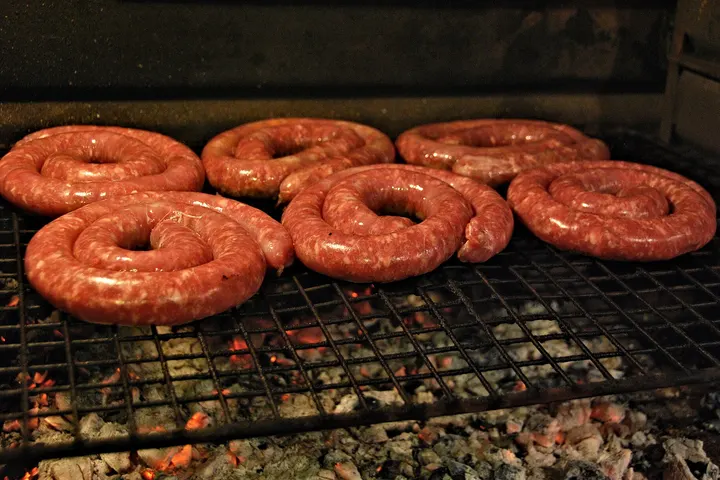
Sausage
Boerewors
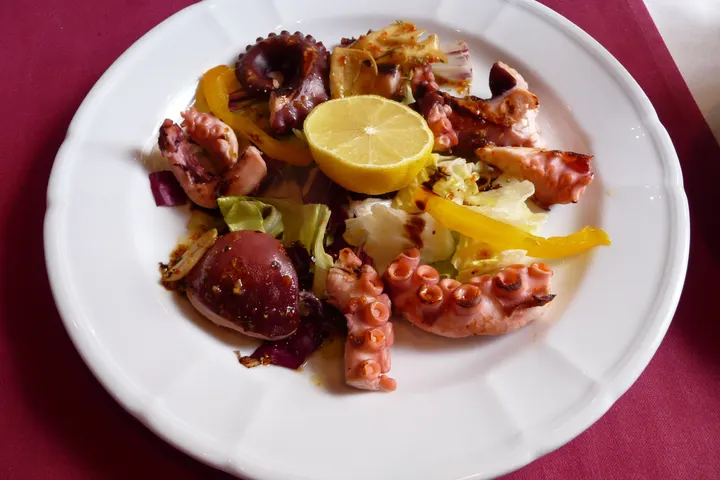
Fish · Calamari op die kole